The Art of Thoughtfulness: How to Make a Gift Feel Highly Personalized Even if it's Mass-Produced
Gift-giving, at its heart, is an act of communication—it says, "I see you," "I remember you," or "I care about what makes you happy." In the modern retail landscape, where everything from artisanal soap to novelty phone cases can be bought online with a single click, it is incredibly easy for gifts to feel interchangeable. We face a paradox: we have infinite options, but sometimes, the most meaningful gift feels like finding a needle in a haystack of plastic and scented candles.
If you’ve ever felt overwhelmed by store displays or worried that your thoughtful gesture will just become another disposable commodity, take a breath. The secret to exceptional gifting doesn't lie in spending more money; it lies in elevating the intention. This guide will walk you through actionable strategies on how to make a gift feel highly personalized even if it's mass-produced, transforming a simple transaction into a deeply memorable gesture that speaks directly to the recipient’s unique soul.
Shifting Your Mindset from Product Buyer to Observer
Before you even think about buying anything, the most crucial step is changing your focus. You must stop viewing yourself as a shopper and start acting like an ethnographer—a gentle observer of human behavior. The goal isn't finding the perfect item; it’s finding a small piece of evidence that proves you listen.
Listening to the Unsaid Signals
The best personalization often comes from paying attention to things people only mention in passing. When someone says, "I wish I could just spend more time reading," they aren't asking for a book—they are expressing a longing for quiet time. A mass-produced gift can satisfy that longing if you frame it correctly.
Consider these subtle signals:
- The brand of coffee creamer they always buy (a specific, niche brand).
- Their favorite color when describing something mundane (the shade of green on their car, the blue in a friend's shirt).
- A frequent complaint about a routine inconvenience (e.g., "My headphones always tangle").
Armed with these observations, you can bridge the gap between the product and the person. It’s like having X-ray vision for human desires. According to gift experts, “The most valuable gifts are rarely what they are; they are what they remind someone of.” This principle is your guiding star.
Elevating the Experience: Presentation is Everything
Since you cannot fundamentally change a mass-produced item (the actual soap or mug), you must treat the surrounding elements—the packaging, the delivery, and the story—as if they were handcrafted from rare materials. The presentation elevates the perceived value far beyond the cost of goods.
Curating the Gift Story
A gift should never arrive naked. It needs a narrative wrapper. This is where light humor can shine; don't just hand them an item and say, "Happy Birthday!" Instead, frame it with a mini-story or anecdote that connects the object back to your shared Get more info history.
For example, if you buy a generic scented candle (the mass-produced part), but know they always complain about work stress, tell them: "I saw this scent and immediately thought of our camping trip last year—remember how peaceful it felt? I hope this brings back those quiet moments." This simple story turns the object into a tangible memory.
The Power of the Thoughtful Complement
Don't just give one item. Create a themed vignette or "experience box." By grouping two or three seemingly unrelated mass-produced items, you force a new narrative for them. For instance, instead of giving a generic scented candle alone, pair it with:
- A slightly mismatched cozy sock (for comfort).
- A small packet of fancy tea (for the ritual).
- A handwritten prompt card ("Read this while doing nothing").
This strategy shows you put time and creative effort Go to this site into the selection process, making how to make a gift feel highly personalized even if it's mass-produced an act of thoughtful curation rather than just random shopping. What is more valuable: the item itself, or the care taken in selecting its companions?
The Final Touch: Connecting Object to Identity
The most potent form of personalization transcends the physical object entirely; it resides in acknowledging the recipient’s core identity and personality traits. Think about what they aspire to be, not just who they are today. Do they want to feel more organized? More adventurous? More relaxed?
The Gift of Time or Skill
Sometimes the best gift is not tangible at all. If you know a friend has been struggling with organization (a common complaint), buying an expensive fancy planner might fail because it doesn't address the skill gap. Instead, your highly personalized gesture could be pairing the notebook with three handwritten pages of "Memory Prompts" or "Idea Starters," effectively giving them a tool for mental exercise alongside the physical item.
Remember this idiom: The heart speaks in whispers, not shouts. Your gift should whisper, "I know you."
One friend once gave me a beautiful, generic journal filled with nice paper and leather binding—a truly mass-produced piece. But she included a single typed note on the first page that read: “For the stories you haven't told yet.” That small addition transformed it from an expensive notebook into a deeply encouraging personal talisman.
Does this process require great wealth? Absolutely not. It requires radical observation. If giving a gift feels daunting, start by simply writing down five things you genuinely admire about the recipient—their resilience, their laugh, their ability to make bad jokes. These observations are your cheat sheet for making the physical object feel imbued with genuine human connection.
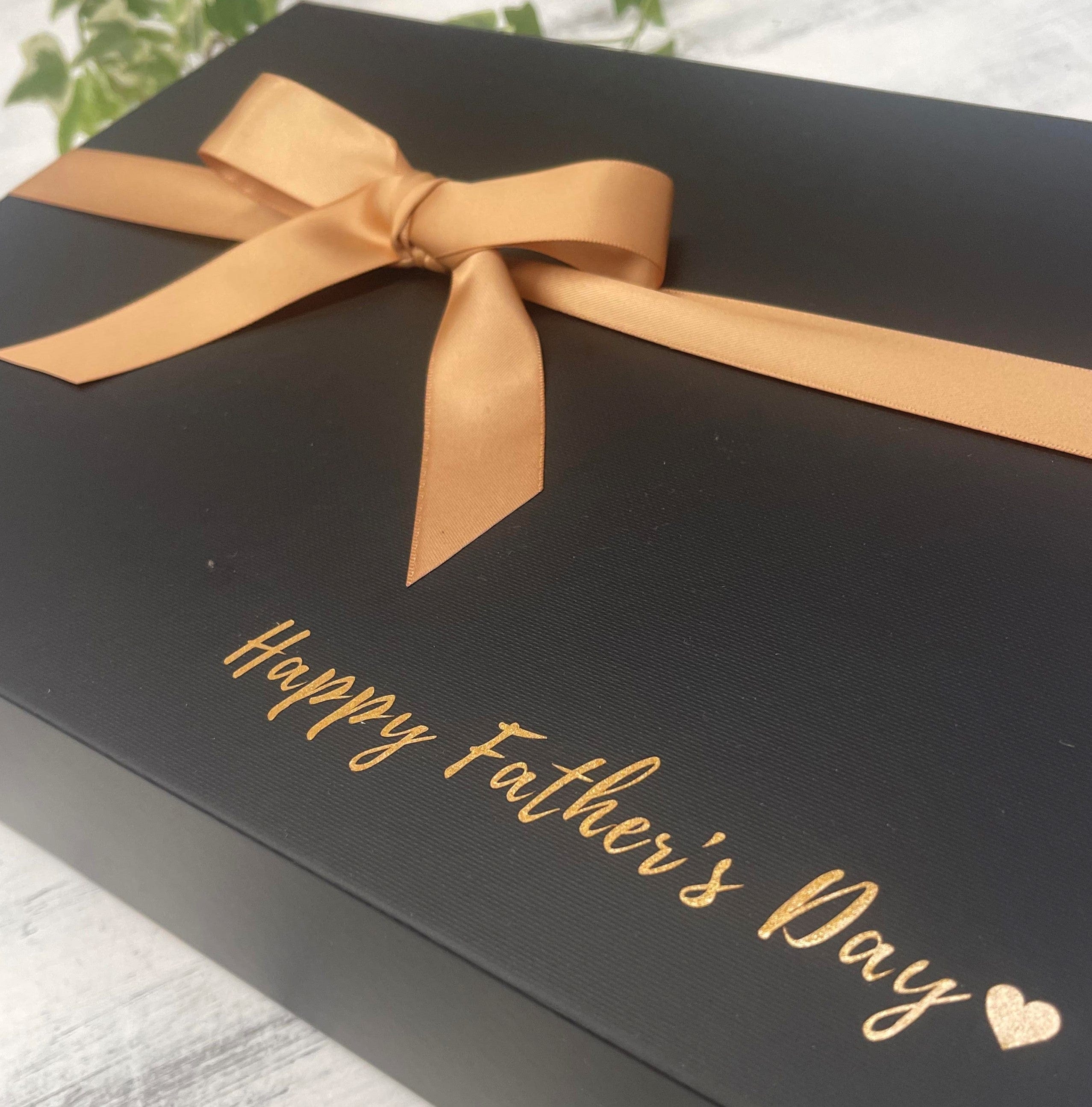
Making Your Selection Count: An Actionable Approach
To summarize this sophisticated act of thoughtful gifting, approach every gift buying trip not as a shopping excursion, but as an investigation into joy. The magic happens in the gap between the generic product and the specific story you attach to it. You are selling narrative, not novelty. By mastering these techniques—through keen observation, careful curation, and genuine storytelling—you prove that the most expensive gift is always the one accompanied by profound attention.
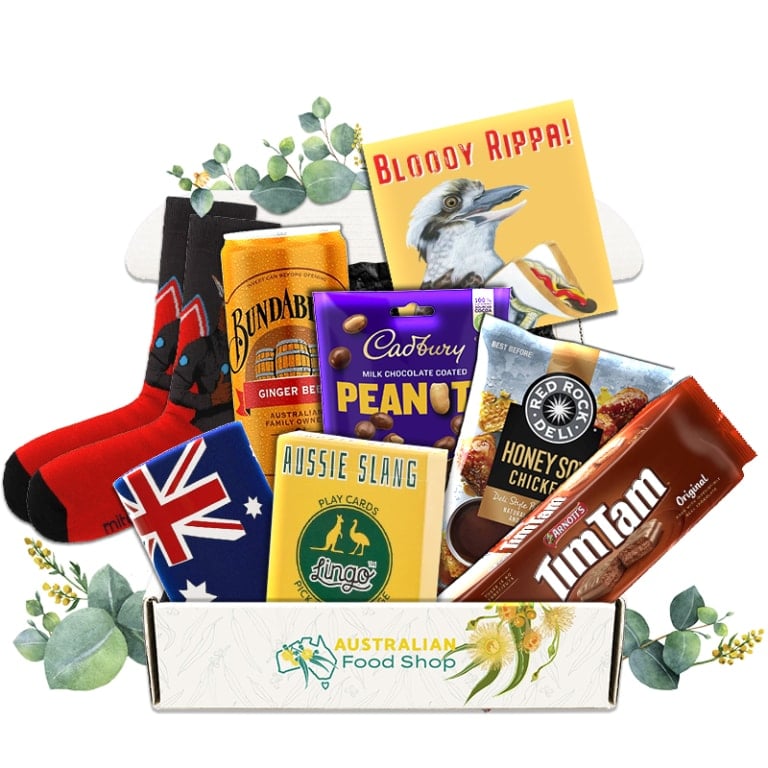
By making your thoughtful effort the centerpiece of the exchange, you transform a simple purchase into a cherished artifact, proving that true personalization has nothing to do with price tags and everything to do with connection.